
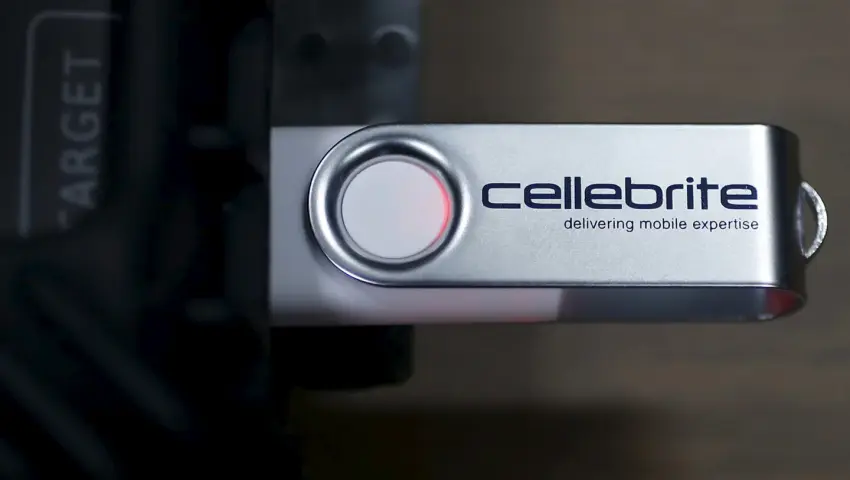
Cellebrite UFED: A Complete Guide to Mobile Device Forensics in 2026
-
 By Mrityunjay Singh
 - BLOGS
- Aug 04, 2026
- 5 minutes read
- 319 Views
Learn what Cellebrite UFED is, how it supports mobile forensic investigations, its key capabilities, use cases, best practices, and the role it plays in digital evidence collection.
Smartphones have become one of the richest sources of digital evidence. From messages and call logs to photos, emails, app data, and location history, mobile devices often contain critical information that can support criminal investigations, corporate inquiries, incident response, and legal proceedings.
As mobile technology has evolved, extracting and analyzing digital evidence has become increasingly complex due to encryption, secure hardware, and constantly changing operating systems.
One of the most recognized solutions in the field of mobile digital forensics is Cellebrite UFED (Universal Forensic Extraction Device). Used by many digital forensic professionals worldwide, UFED helps investigators acquire data from supported mobile devices using forensic methodologies while preserving evidence integrity.
This guide explains what Cellebrite UFED is, how it fits into a digital investigation, its key capabilities, and the best practices investigators should follow when handling mobile evidence.
What Is Cellebrite UFED?
Cellebrite UFED (Universal Forensic Extraction Device) is a mobile forensic solution designed to help authorized investigators extract and preserve digital evidence from supported mobile devices.
Depending on the device, operating system, security configuration, and supported acquisition methods, UFED can assist with collecting data such as:
- Contact information
- Call history
- SMS messages
- App data
- Photos and videos
- Audio recordings
- Documents
- Browser history
- Device information
- File system artifacts
The specific data that can be acquired varies based on the device model, OS version, and available forensic techniques.
Why Mobile Forensics Matters
Today's smartphones contain years of personal and professional activity.
Mobile evidence can support investigations involving:
- Financial fraud
- Cybercrime
- Corporate investigations
- Insider threats
- Missing person cases
- Intellectual property theft
- Harassment investigations
- Incident response
- Regulatory compliance
- Civil litigation
A structured forensic process helps investigators examine this information while maintaining evidentiary integrity.
Understanding Mobile Data Acquisition
Before evidence can be analyzed, it must first be acquired using an appropriate forensic method.
Common acquisition approaches include:
Logical Acquisition
Collects accessible user data through supported interfaces.
Typical examples include:
- Contacts
- Messages
- Photos
- Call logs
- Documents
Logical acquisition is generally faster but may not capture all available artifacts.
File System Acquisition
Provides access to a broader collection of files and system structures, depending on device support.
This approach can assist investigators in examining:
- Application databases
- Configuration files
- System artifacts
- User-generated content
Physical Acquisition
Where supported and legally authorized, physical acquisition creates a bit-for-bit copy of the device's storage.
This can provide investigators with the most comprehensive dataset for forensic examination.
Availability depends on numerous technical and legal factors, including device security features.
Key Capabilities of Cellebrite UFED
Mobile Device Data Collection
UFED supports forensic acquisition from a wide range of compatible mobile devices, subject to technical and legal limitations.
Broad Device Compatibility
The platform is designed to work with many supported smartphones, tablets, and feature phones across different manufacturers and operating systems.
Support varies as new devices and operating systems are released.
Application Data Collection
Many investigations involve third-party applications.
Depending on acquisition type and device support, investigators may collect artifacts from supported messaging, productivity, and social applications.
Media Collection
UFED can assist with collecting supported media files including:
- Images
- Videos
- Audio recordings
- Documents
Associated metadata may also provide valuable investigative context.
Device Information
Investigators can document technical details such as:
- Device model
- Operating system version
- Device identifiers
- Storage information
- SIM information (where available)
This information helps establish the technical profile of the evidence.
Reporting
Professional documentation is an essential part of digital investigations.
UFED supports structured reporting that helps investigators record:
- Acquisition details
- Device information
- Evidence summaries
- Investigation notes
Reports support documentation and review throughout the investigative process.
Typical Mobile Forensics Workflow
A structured workflow improves consistency and preserves evidence integrity.
Step 1 – Secure the Device
Ensure the device is handled according to organizational procedures to minimize the risk of evidence alteration.
Step 2 – Document the Evidence
Record identifying information such as device model, condition, date, time, and case details.
Step 3 – Perform Forensic Acquisition
Use an appropriate, supported acquisition method based on the device and investigative requirements.
Step 4 – Verify the Acquisition
Confirm that the acquired evidence is complete and document integrity checks according to forensic procedures.
Step 5 – Analyze the Evidence
Review acquired data using forensic analysis tools to identify information relevant to the investigation.
Step 6 – Generate Investigation Reports
Document findings in a clear and structured format suitable for case records and internal review.
Common Use Cases
Cellebrite UFED may be used in authorized investigations such as:
Criminal Investigations
Support examinations of lawfully obtained mobile devices.
Corporate Investigations
Review company-owned mobile devices during internal investigations, subject to organizational policies and applicable laws.
Cybersecurity Incident Response
Analyze mobile devices that may be relevant to security incidents or suspected compromise.
Digital Forensic Laboratories
Acquire and preserve mobile evidence as part of forensic workflows.
Legal and Compliance Investigations
Support authorized evidence collection during internal or legal investigations.
Best Practices for Mobile Forensics
Successful investigations depend on careful evidence handling.
Recommended practices include:
- Maintain a documented chain of custody.
- Preserve original evidence whenever possible.
- Use validated forensic tools and procedures.
- Record every investigative action.
- Secure evidence against unauthorized access.
- Verify acquisition integrity.
- Follow applicable laws, policies, and organizational procedures.
- Keep forensic software updated.
Challenges in Modern Mobile Forensics
Mobile investigations continue to evolve due to:
- Strong device encryption
- Frequent operating system updates
- Secure hardware architectures
- Cloud-based applications
- Multiple messaging platforms
- Large volumes of application data
- Rapid changes in mobile technology
Investigators must continually update their knowledge and tools to address these challenges.
The Future of Mobile Forensics
Mobile devices continue to become more secure, creating new challenges for forensic investigators. Future forensic solutions are expected to incorporate AI-assisted artifact classification, automated timeline generation, cloud evidence correlation, and advanced reporting capabilities to help investigators analyze increasingly complex datasets.
At the same time, investigators must balance technical capabilities with legal requirements, privacy considerations, and responsible evidence handling.
Conclusion
Mobile devices are now central to nearly every digital investigation, often containing valuable evidence that can help establish timelines, identify communications, and support investigative findings. As smartphone security continues to evolve, investigators require reliable forensic tools and disciplined methodologies to acquire and analyze digital evidence effectively.
Cellebrite UFED is widely recognized as a mobile forensic acquisition solution that supports authorized investigations by helping professionals collect and preserve data from supported devices. Combined with proper forensic procedures, documentation, and legal compliance, it plays an important role in modern digital forensics and incident investigations.
Mrityunjay Singh
Leave a comment
Your email address will not be published. Required fields are marked *