Dark Web Explained: What It Is, How It Works & Why You Should Stay Away
-
 By Mrityunjay Singh
 - BLOGS
- Apr 07, 2026
- 2 minutes read
- 113 Views
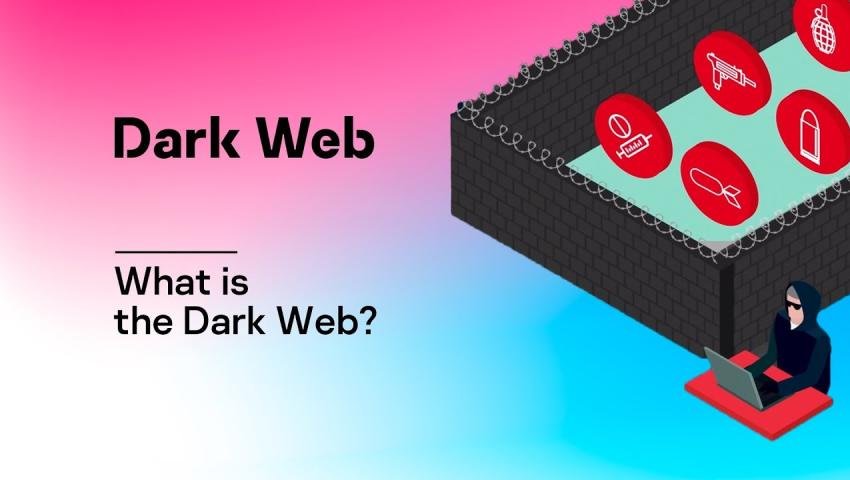
You might have heard the term “dark web” in movies or news — often linked with hacking, illegal activities, and data leaks. But what exactly is the dark web? Is it dangerous? And can normal people access it? you’ll understand what the dark web really is, how it works, and why staying away from it is usually the safest choice.
What is the Dark Web?
The internet has 3 layers:
1. Surface Web
- Normal websites (Google, YouTube, etc.)
- Easily accessible
2. Deep Web
- Private data (emails, banking info, databases)
- Not indexed by search engines
3. Dark Web
- Hidden part of the internet
- Requires special software to access
- Often used for anonymous activities
👉 The dark web is a small but risky part of the internet
How Does the Dark Web Work?
The dark web runs on special networks like:
- Tor (The Onion Router)
These tools hide your identity by:
- Encrypting your data
- Routing it through multiple servers
👉 This makes users anonymous and hard to trace
What Happens on the Dark Web?
Not everything is illegal, but many risky activities happen there:
- Stolen data selling (emails, passwords)
- Hacked accounts
- Fake documents
- Illegal marketplaces
👉 Keyword: dark web data leaks
How Your Data Ends Up on the Dark Web
Your data can reach the dark web when:
- A website gets hacked
- You fall for phishing scams
- You reuse passwords
👉 Example:
If your email & password are leaked, they can be sold online.
Risks of Accessing the Dark Web
Even visiting the dark web can be risky:
- Malware and viruses
- Scams and fraud
- Legal trouble
- Exposure to harmful content
👉 It’s not a safe place for beginners
Common Myths About Dark Web
❌ Myth: Only hackers use it
✔ Truth: Anyone can access it, but it’s risky
❌ Myth: It’s completely illegal
✔ Truth: Accessing is not illegal, but activities can be
How to Protect Yourself
✅ Use Strong Passwords
Avoid using the same password everywhere
✅ Enable 2FA
Extra security layer for accounts
✅ Avoid Suspicious Links
Most data leaks start from phishing
✅ Check for Data Breaches
Regularly monitor your accounts
Mrityunjay Singh
Leave a comment
Your email address will not be published. Required fields are marked *