
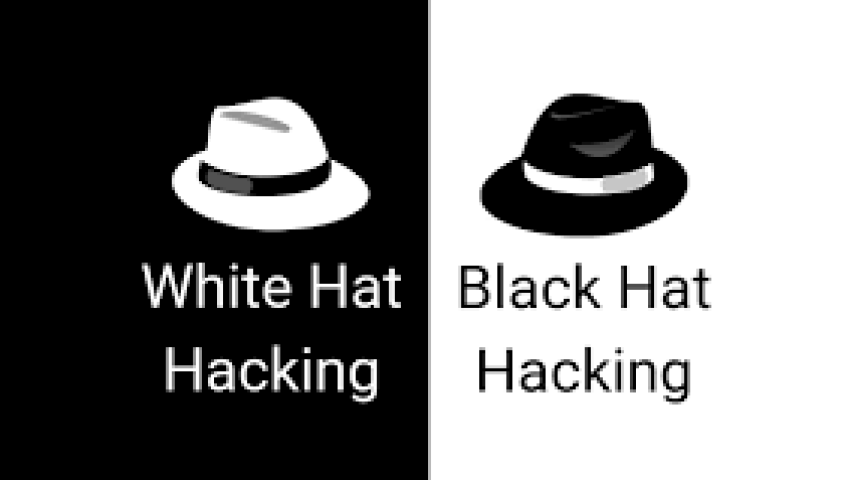
Ethical Hacker vs Black Hat Hacker vs White Hat Hacker: Key Differences Explained
-
 By Mrityunjay Singh
 - BLOGS
- Jan 20, 2026
- 3 minutes read
- 814 Views
In the world of cyber security, the term hacker is often misunderstood. Many people think all hackers are criminals, but that’s not true. Hackers are classified into different types based on intent, legality, and ethics. The three most common types are Ethical Hackers, White Hat Hackers, and Black Hat Hackers.
Understanding the differences between them is important if you are planning a career in cyber security or ethical hacking.
This article explains the key differences between Ethical Hacker vs Black Hat Hacker vs White Hat Hacker in simple and clear language.
Who Is an Ethical Hacker?
An Ethical Hacker is a cyber security professional who legally tests systems to find vulnerabilities before attackers can exploit them.
Key Characteristics:
- Works with written permission
- Follows laws and ethical guidelines
- Helps organizations improve security
- Uses hacking skills for protection, not damage
Ethical hackers are hired by companies, governments, and organizations to secure networks, websites, and applications.
Common Job Roles:
- Ethical Hacker
- Penetration Tester
- Cyber Security Analyst
- SOC Analyst
Who Is a White Hat Hacker?
A White Hat Hacker is very similar to an ethical hacker. In fact, the terms are often used interchangeably.
Key Characteristics:
- Hacks systems legally
- Focuses on defense and security
- Reports vulnerabilities responsibly
- Works as part of a security team or as a consultant
White hat hackers are considered the “good guys” of the hacking world.
👉 In most cases, ethical hackers = white hat hackers.
Who Is a Black Hat Hacker?
A Black Hat Hacker is someone who hacks systems illegally for personal gain, revenge, or malicious intent.
Key Characteristics:
- No permission to hack
- Breaks laws and regulations
- Steals data, money, or identities
- Spreads malware, ransomware, or spyware
Black hat hackers cause financial losses, privacy breaches, and serious damage to individuals and organizations.
Common Black Hat Activities:
- Data theft
- Credit card fraud
- Ransomware attacks
- Website defacement
- Identity theft
Key Differences Between Ethical, White Hat, and Black Hat Hackers
| Feature | Ethical Hacker | White Hat Hacker | Black Hat Hacker |
|---|---|---|---|
| Legality | Legal | Legal | Illegal |
| Permission | Yes | Yes | No |
| Intent | Security & protection | Security & defense | Personal gain or harm |
| Ethics | High ethical standards | High ethical standards | No ethics |
| Job Opportunities | Yes | Yes | No (criminal activity) |
| Impact | Improves security | Improves security | Causes damage |
Ethical Hacker vs White Hat Hacker: Are They Different?
In practical terms, there is no major difference between ethical hackers and white hat hackers.
- Both work legally
- Both protect systems
- Both follow ethical guidelines
The difference is mostly terminology, not function.
Why Black Hat Hacking Is Dangerous
Black hat hacking is illegal and punishable by law. Engaging in such activities can lead to:
- Jail time
- Heavy fines
- Permanent criminal records
- Career destruction
That’s why learning hacking ethically and legally is the only safe and professional path.
Which Hacker Type Should You Become?
If you are interested in hacking as a career, ethical hacking / white hat hacking is the right choice.
Benefits of Being an Ethical Hacker:
- High salary packages
- Global demand
- Respectable profession
- Legal and safe career
- Opportunities in government & private sectors
Career Path for Ethical & White Hat Hackers
To become an ethical or white hat hacker, you should:
- Learn networking and Linux
- Study cyber security fundamentals
- Practice on legal platforms
- Learn ethical hacking tools
- Get certified
- Apply for jobs or freelance work
Conclusion
Not all hackers are criminals. The real difference lies in intent and legality.
- Ethical Hackers / White Hat Hackers protect systems and help organizations stay safe
- Black Hat Hackers break the law and cause harm
If you want a future-proof and respected career in cyber security, always choose the ethical path.
Hacking with permission is a skill.
Hacking without permission is a crime.
Mrityunjay Singh
Leave a comment
Your email address will not be published. Required fields are marked *