
How Deepfake Technology is Used in Cyber Fraud
-
 By Mrityunjay Singh
 - BLOGS
- May 27, 2026
- 4 minutes read
- 145 Views
Deepfake technology has emerged as one of the most dangerous cybersecurity threats in the digital age. Powered by Artificial Intelligence and Machine Learning, deepfakes are highly realistic fake videos, audio recordings, and images that can mimic real people with shocking accuracy.
As AI technology continues to evolve, creating convincing fake voices and videos has become easier and more accessible than ever before. Cyber attackers can now impersonate company executives, celebrities, government officials, or even family members to manipulate victims into transferring money, sharing confidential information, or bypassing security systems. Deepfake cyber fraud is rapidly becoming a global cybersecurity concern affecting individuals, businesses, and governments alike.
What is Deepfake Technology?
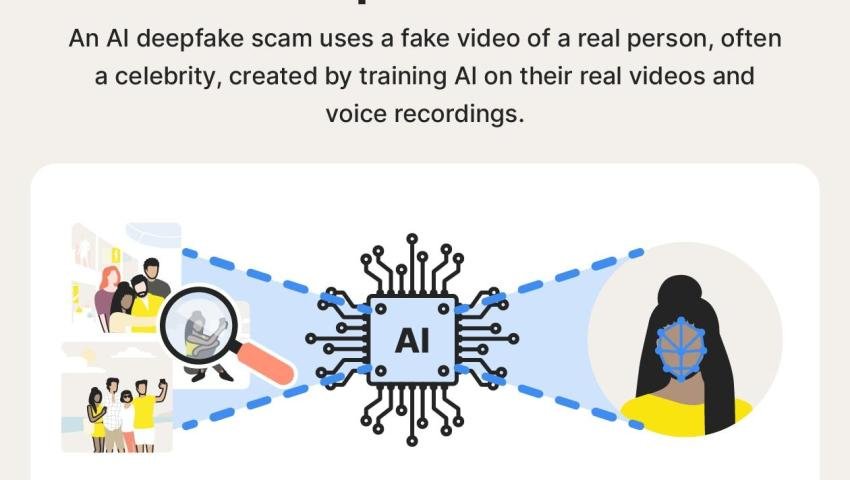
Deepfake technology uses Artificial Intelligence, particularly deep learning algorithms, to create fake media content that appears real. AI systems analyze facial expressions, voice patterns, lip movements, and body language to generate realistic fake videos or audio recordings.
These fake digital identities can be difficult to distinguish from authentic content, making deepfakes a powerful tool for cybercriminals and online fraudsters.
How Deepfake Technology is Used in Cyber Fraud
Cybercriminals use deepfake technology in several dangerous ways:
1. Voice Cloning Scams
Hackers clone a person’s voice using AI and make fake emergency calls requesting money or sensitive information.
2. Business Email Compromise (BEC)
Attackers impersonate CEOs or executives through deepfake audio or video to trick employees into transferring funds.
3. Identity Theft
Deepfake videos and AI-generated identities are used to bypass identity verification systems.
4. Social Engineering Attacks
Cybercriminals manipulate victims emotionally using fake video calls or voice messages.
5. Financial Fraud
Deepfake technology is used to authorize fake banking transactions or investment scams.
6. Fake News and Misinformation
AI-generated videos spread false information to manipulate public opinion or damage reputations.
7. Romance and Social Media Scams
Fraudsters use deepfake profiles and fake video interactions to deceive victims online.
Why Deepfake Fraud is Dangerous
Deepfake cyber fraud is dangerous because:
- Fake videos and voices appear highly realistic.
- Victims often trust visual and audio communication.
- AI tools are becoming cheaper and easier to access.
- Deepfakes can bypass traditional verification systems.
- Businesses may suffer major financial losses.
- False information spreads rapidly on social media.
As deepfake quality improves, detecting fake content becomes increasingly difficult.
Role of AI and Machine Learning
Artificial Intelligence and Machine Learning are the core technologies behind deepfake systems. These AI models are trained using massive datasets of real images, videos, and voice recordings to learn human expressions and speech patterns.
Machine learning algorithms continuously improve the realism of generated content, making deepfakes more convincing over time. Generative AI tools can now create fake videos and cloned voices within minutes using only a small amount of source material.
Real-World Examples of Deepfake Cyber Fraud
Several companies and individuals have already become victims of deepfake scams:
- Fraudsters have used AI-cloned executive voices to steal company funds.
- Deepfake celebrity videos have been used for fake advertisements and scams.
- Political deepfakes have spread misinformation online.
- Fake customer support videos have been used for phishing attacks.
These incidents demonstrate how rapidly deepfake fraud is evolving worldwide.
How to Protect Yourself from Deepfake Scams
1. Verify Identities
Always confirm unusual requests through direct communication channels.
2. Use Multi-Factor Authentication (MFA)
MFA adds extra security even if attackers impersonate someone.
3. Be Careful with Sensitive Information
Avoid sharing personal data publicly on social media.
4. Watch for Unusual Behavior
Deepfake videos may contain unnatural facial expressions, lip-sync issues, or audio distortions.
5. Use AI-Based Detection Tools
Many cybersecurity companies are developing AI systems to detect deepfake content.
6. Educate Employees and Users
Cybersecurity awareness training helps people identify suspicious activities.
Future of Deepfake Cybersecurity
As deepfake technology advances, cybersecurity experts are developing stronger detection and prevention systems. AI-powered detection tools, biometric verification, behavioral analytics, and digital watermarking technologies are expected to play a major role in combating deepfake fraud in the future.
Governments and tech companies are also working on regulations and security frameworks to reduce the misuse of AI-generated media. However, the battle between AI-powered fraud and AI-powered defense will continue to evolve in the coming years.
Conclusion
Deepfake technology is transforming cyber fraud by enabling criminals to create highly realistic fake voices, videos, and identities. From financial scams to social engineering attacks, deepfake-based cybercrime is becoming more sophisticated and dangerous every year. As Artificial Intelligence continues to improve, individuals and organizations must stay aware of these emerging threats and adopt stronger cybersecurity practices to protect themselves from AI-powered fraud and digital deception.
Mrityunjay Singh
Leave a comment
Your email address will not be published. Required fields are marked *