
IoT Cybersecurity in 2026: How Smart Devices Are Becoming the Biggest Security Risk
-
 By Mrityunjay Singh
 - BLOGS
- Apr 09, 2026
- 3 minutes read
- 177 Views
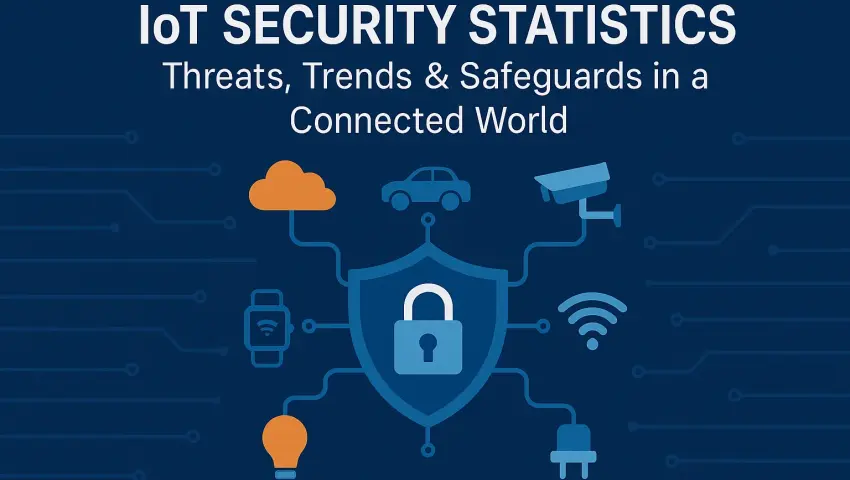
The Internet of Things (IoT) has transformed the way we live, work, and interact with technology. From smart homes to wearable devices and industrial sensors, IoT connects everything to the internet. But while these devices bring convenience and automation, they also introduce unprecedented security risks.
The Internet of Things (IoT) has made our world smarter. From smart homes and wearable devices to industrial sensors, everything is connected. But along with convenience comes unprecedented cybersecurity risks.
Hackers are now targeting IoT devices more than ever, making it essential to understand how these devices are vulnerable and how to secure them.
Interactive Suggestion: Add a small quiz:
Why IoT Devices Are Vulnerable
IoT devices differ from traditional computers, creating multiple weaknesses:
- Default Credentials: Most devices ship with weak usernames/passwords.
- Rare Updates: Firmware and software often go unpatched.
- Limited Security: Low processing power reduces encryption and monitoring.
- High Connectivity: Each new device adds to the attack surface.
Interactive Element: Use a hover tooltip for each bullet explaining real-world examples of attacks.
Botnet Attacks: The Real Threat
IoT devices are increasingly used in botnet attacks.
How it works:
- Malware scans for unsecured devices.
- Infected devices join a network controlled by hackers.
- Massive DDoS attacks are launched, disrupting global services.
Key Feature: Even a single weak IoT device can compromise an entire network.
Interactive Suggestion: Embed a diagram showing how a botnet spreads from a single IoT device.
Smart Homes: Convenience vs Risk
Connected devices include:
- Smart locks and cameras
- Smart speakers
- Connected appliances
Threat: A single compromised device can allow attackers to:
- Access live camera feeds
- Unlock doors remotely
- Attack other networked devices
Interactive Element: Add a clickable checklist: “Check your smart devices for vulnerabilities.”
AI-Powered IoT Attacks
Hackers now leverage AI to automate and enhance attacks:
- Analyze device behavior to identify weak points
- Launch attacks at optimal times
- Scale attacks across thousands of devices silently
Key Feature: AI-enabled attacks adapt to security measures in real-time.
Interactive Suggestion: Include a slider simulation showing AI attack speed vs traditional attack speed.
Industrial IoT (IIoT) Threats
Industrial IoT connects sensors, machinery, and control systems. A breach can lead to:
- Production halts
- Equipment malfunction
- Safety hazards and financial loss
Key Feature: Breaches in industrial IoT can have nation-level consequences.
Interactive Element: Embed a risk calculator for industrial IoT exposure.
Common IoT Attack Techniques
Hackers exploit IoT devices using:
- Credential Stuffing – Testing default or leaked passwords
- Man-in-the-Middle (MITM) – Intercepting communication
- Firmware Exploitation – Hijacking device software
- Side-Channel Attacks – Exploiting hardware signals
Interactive Suggestion: Add hover-to-see real examples for each attack type.
Key Best Practices to Secure IoT Devices
- Change Default Passwords – Never use default credentials
- Update Firmware Regularly – Patch vulnerabilities immediately
- Network Segmentation – Keep IoT devices separate from critical systems
- Enable Strong Encryption – Protect data in transit and at rest
- Disable Unused Features – Reduce attack surfaces
- IoT Firewall & Monitoring – Detect suspicious activity in real-time
Interactive Element: Use a click-to-expand tips section with detailed steps for each practice.
The Future of IoT Security
Emerging trends in 2026:
- AI-Based Self-Healing Devices – Devices detect and fix vulnerabilities automatically
- Blockchain Security – Decentralized authentication for IoT
- Zero Trust Architecture – Verify every interaction, even internal networks
Key Feature: Security must continuously evolve as hackers innovate faster than defenses.
Interactive Suggestion: Add a timeline visualization showing IoT security evolution and future trends.
Conclusion
IoT devices have made life smarter but introduce complex security risks. Hackers now target the devices around you—your smart home, wearables, and even industrial systems.
Interactive CTA: Include a downloadable IoT security checklist or interactive self-assessment tool for readers.
✅ SEO Tips Applied:
- Keywords: “IoT cybersecurity 2026”, “AI IoT attacks”, “secure smart devices”, “industrial IoT security”
- Meta description included
- Structured headings (H1, H2, H3) for readability and search engines
- Interactive elements increase engagement and dwell time
Mrityunjay Singh
Leave a comment
Your email address will not be published. Required fields are marked *