
OTP Scam: How Hackers Bypass Security & What You Must Never Share
-
 By Mrityunjay Singh
 - BLOGS
- Mar 20, 2026
- 3 minutes read
- 311 Views
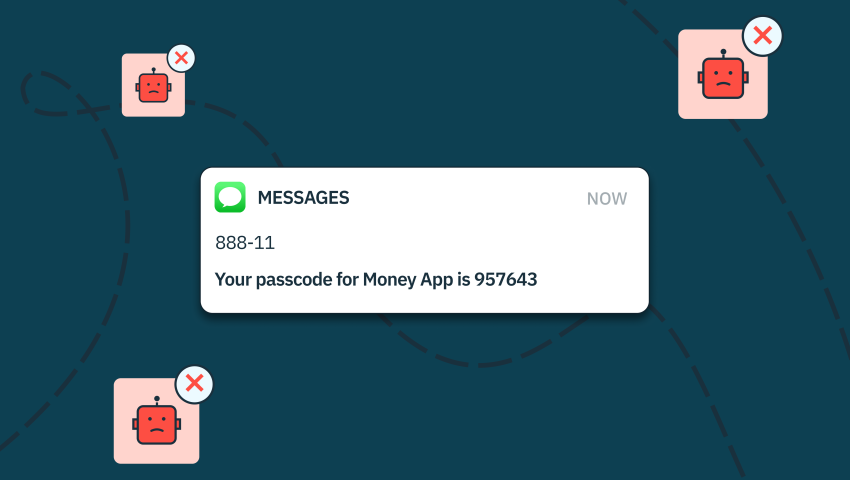
OTP (One-Time Password) is designed to add an extra layer of security to your bank accounts, social media, and digital payments. It’s supposed to protect you. But here’s the reality: Most online frauds today happen because people unknowingly share their OTP. Scammers don’t need to “hack” advanced systems—they simply trick users into giving away the final key: the OTP.
Even agencies like the CBI repeatedly warn people about OTP scams, yet thousands of cases are reported every day.
In this guide, you’ll understand how OTP scams work and what you must never share under any condition.
⚠️ What Is an OTP Scam?
An OTP scam is a type of fraud where a scammer tricks you into sharing the One-Time Password sent to your phone or email.
👉 Once they get the OTP, they can:
- transfer money
- reset passwords
- take control of your accounts
Think of OTP as the final lock on your account.
If you share it, you’re basically unlocking your account for the scammer.
🔍 How Hackers Bypass OTP Security
1. Social Engineering (Most Common)
Scammers call or message you pretending to be:
- bank officials
- customer care agents
- delivery partners
- job recruiters
They create urgency:
- “Your account will be blocked”
- “Your KYC is pending”
- “You received a payment”
Then they ask for the OTP.
2. Fake Links & Phishing Pages


You receive a link that looks like a real website.
- You enter login details
- Then OTP is requested
- You enter OTP
Within seconds, your account is compromised.
3. SIM Swap Fraud
Scammers get a duplicate SIM of your number.
- Your phone loses network
- They receive your OTPs
- They access your accounts
This is more advanced but very dangerous.
4. App Permission Tricks
Some fake apps ask for:
- SMS access
- phone permissions
These apps can read your OTP automatically.
🚨 Real-Life OTP Scam Situations
- Someone calls saying “I’m from your bank”
- You get a message: “Click here to verify KYC”
- A buyer says “I sent money, share OTP to confirm”
In all cases, the goal is the same:
Get your OTP and empty your account.
❌ What You Must NEVER Share
This is the most important part:
🚫 Never share your OTP with:
- anyone on call
- anyone on WhatsApp
- any unknown website
- any app you don’t trust
Even if they say they are from your bank — DO NOT SHARE OTP.
How to Stay Safe from OTP Scams
✅ Basic Safety Rules
- Banks NEVER ask for OTP
- Don’t click on unknown links
- Verify before trusting any call
- Don’t install unknown apps
🔒 Advanced Protection Tips
- Enable SMS alerts for transactions
- Use app lock for banking apps
- Contact your telecom provider if network suddenly stops
- Regularly update your phone
Awareness is your strongest security.
🚔 What to Do If You Shared OTP
Act immediately:
- Call your bank and block account
- Change passwords instantly
- Dial 1930 (cyber fraud helpline in India)
- Report on cyber crime portal
Quick action can save your money.
🏁 Conclusion
OTP is not just a number—it’s the final key to your digital identity.
Most scams today don’t break security systems—they break human trust.
Always remember:
If someone asks for your OTP, it’s a scam. No exceptions.
Stay alert, stay informed, and protect your digital life.
Mrityunjay Singh
Leave a comment
Your email address will not be published. Required fields are marked *